

Visit our location
Condition we treat
Anxiety Treatment in Northfield, IL — Relief at Acupuncture North Clinic
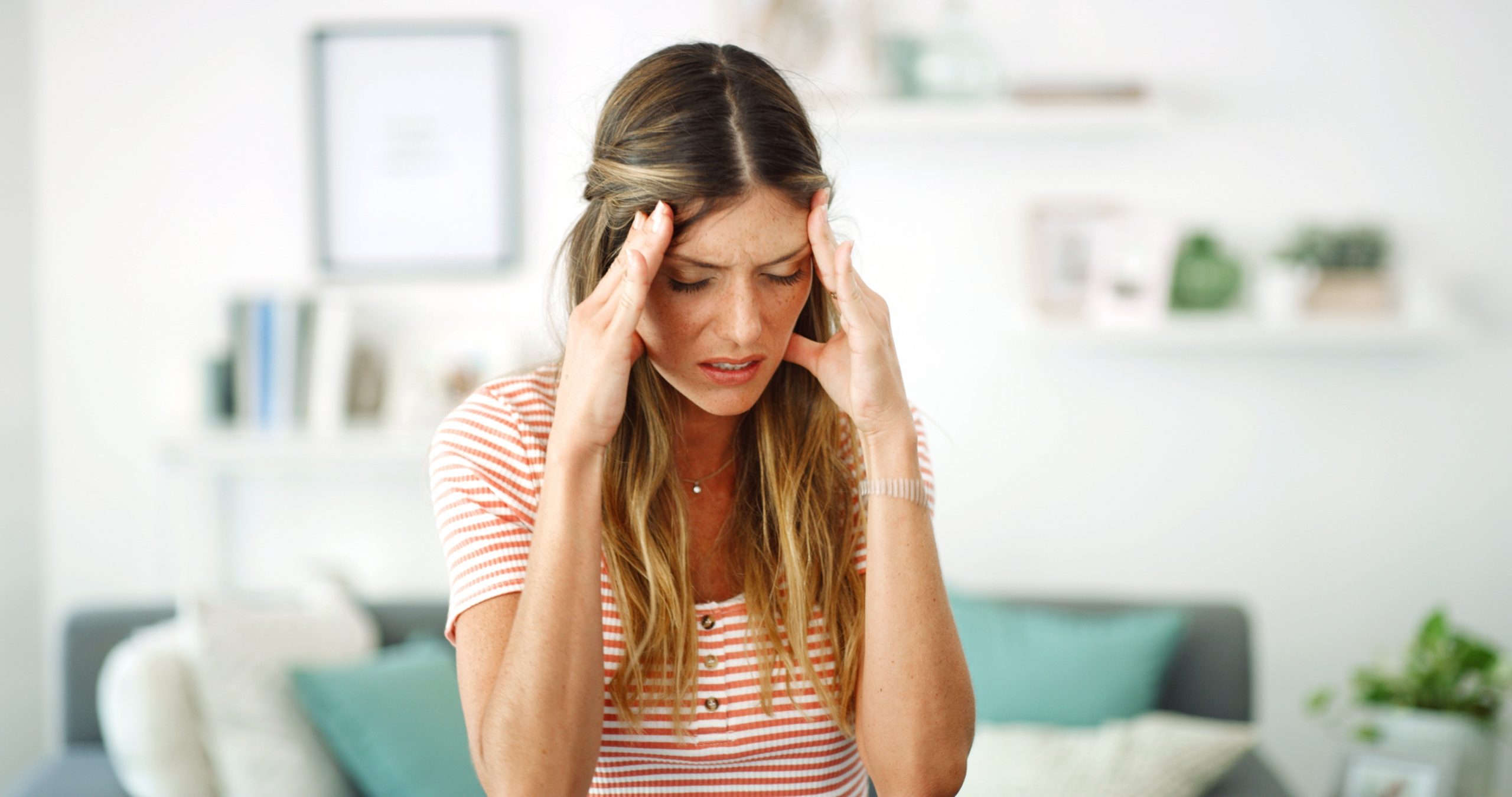
Your heart races for no clear reason. Your mind replays worries on an endless loop. Sleep becomes elusive because your brain won’t quiet down. Anxiety has a way of hijacking your nervous system, keeping you trapped in a state of alert even when there’s no real threat. It’s exhausting, and it steals the peace you deserve in your daily life.
At Acupuncture North Clinic in Northfield, Dr. Kuan Su provides effective treatment for anxiety using acupuncture and complementary therapies. With over 12 years of clinical experience, Dr. Su helps patients calm their nervous systems, reduce anxious symptoms, and restore a sense of equilibrium. Treatment works alongside conventional care or as a standalone approach for those seeking drug-free options.
Ready to find relief from anxiety? Call (847) 868-0408 to schedule your consultation.
Understanding Anxiety
Anxiety is your body’s natural response to perceived threat. In appropriate doses, it keeps you safe and motivated. But when the alarm system becomes overactive, firing constantly or in response to non-threatening situations, anxiety transforms from protective mechanism to persistent burden.
Anxiety disorders involve more than occasional worry. They feature excessive, persistent fear or dread that interferes with daily activities. The symptoms are both mental and physical, affecting thoughts, emotions, and bodily sensations. Many people don’t realize that racing heartbeat, muscle tension, digestive upset, and breathing difficulties are all manifestations of anxiety, not separate medical problems.
The Anxiety and Depression Association of America reports that anxiety disorders affect approximately 40 million American adults each year, making them the most common mental health conditions in the United States. Despite being highly treatable, only about 37% of those affected receive treatment.
Anxiety often coexists with depression, and the two conditions share overlapping symptoms and underlying mechanisms. Chronic pain, sleep disorders, and digestive problems frequently accompany anxiety as well. This interconnection means that effectively treating anxiety often improves multiple aspects of health simultaneously.
Types of Anxiety We Treat
01. Generalized Anxiety Disorder
Characterized by persistent, excessive worry about various aspects of life including work, health, family, and everyday matters. The worry feels difficult to control and occurs more days than not for at least six months. Physical symptoms like restlessness, fatigue, difficulty concentrating, irritability, muscle tension, and sleep disturbances accompany the mental symptoms.
02. Social Anxiety
Intense fear of social situations where you might be judged, embarrassed, or scrutinized by others. This goes beyond normal nervousness to avoidance of social interactions that interferes with work, school, or relationships. Physical symptoms like blushing, sweating, trembling, and nausea often occur in feared situations.
03.Panic Disorder
Recurrent, unexpected panic attacks featuring sudden surges of intense fear accompanied by physical symptoms like pounding heart, sweating, trembling, shortness of breath, chest pain, and feelings of unreality or impending doom. Fear of future attacks often leads to avoidance behaviors.
04.Health Anxiety
Excessive worry about having or developing a serious illness, despite medical reassurance. Physical sensations are interpreted as signs of severe disease. Frequent checking, doctor visits, or avoidance of medical information characterize this condition.
05. Performance Anxiety
Intense anxiety related to specific performance situations like public speaking, tests, athletic competition, or musical performance. The anxiety often impairs the very performance you’re worried about.
06. Stress-Related Anxiety
Anxiety triggered by life circumstances including work pressure, relationship difficulties, financial concerns, or major life changes. While situational, this anxiety can become chronic if underlying stress isn’t addressed.
07. Sleep-Related Anxiety
Racing thoughts and worry that prevent falling asleep or cause middle-of-the-night awakening. The anxiety about not sleeping creates a self-perpetuating cycle. For detailed information, see our insomnia treatment page.
How Acupuncture Treats Anxiety
Acupuncture addresses anxiety through multiple mechanisms that calm the nervous system and restore physiological balance.
01.
Activating the Parasympathetic Nervous System
Anxiety involves an overactive sympathetic nervous system, the “fight or flight” response that prepares your body for threat. Acupuncture activates the parasympathetic nervous system, the “rest and digest” response that promotes calm. Research demonstrates that acupuncture increases parasympathetic activity and heart rate variability, objective measures of relaxation response activation.
02.
Regulating Stress Hormones
Chronic anxiety involves dysregulation of the hypothalamic-pituitary-adrenal (HPA) axis, leading to elevated cortisol and other stress hormones. Studies show that acupuncture helps normalize HPA axis function, reducing the hormonal drivers of anxiety. This addresses anxiety at its physiological roots rather than just masking symptoms.
03.
Modulating Neurotransmitters
Anxiety involves imbalances in neurotransmitters including GABA, serotonin, and norepinephrine. These same chemicals are targeted by anti-anxiety medications. Research confirms that acupuncture influences neurotransmitter levels, helping restore the chemical balance that supports calm and well-being.
04.
Releasing Natural Calming Substances
Acupuncture stimulates release of endorphins and other endogenous substances that promote relaxation and reduce anxiety. Studies document increased levels of these natural calming chemicals following treatment. Many patients notice immediate relaxation during and after sessions.
05.
Reducing Inflammation
Emerging research links anxiety to chronic inflammation. Inflammatory markers are elevated in many anxious patients, and inflammation affects brain function in ways that promote anxiety. Acupuncture triggers anti-inflammatory responses that may address this underlying factor.
06.
Improving Sleep
Poor sleep and anxiety fuel each other in a destructive cycle. Acupuncture helps regulate sleep-wake cycles and promotes more restorative sleep. As sleep improves, anxiety often decreases significantly.
07.
Releasing Physical Tension
Anxiety manifests physically as muscle tension, particularly in the neck, shoulders, jaw, and back. This chronic tension perpetuates the anxiety cycle by sending “threat” signals to the brain. Acupuncture effectively releases this tension, breaking the physical component of anxiety.
08.
Calming the Mind
Many patients report that acupuncture produces a unique quality of mental calm, different from sedation. Racing thoughts slow. The mental noise quiets. This effect often begins during treatment and can persist for days afterward.
Research on Acupuncture for Anxiety
Substantial clinical evidence supports acupuncture for anxiety treatment.
A systematic review and meta-analysis in the Journal of Affective Disorders examined 13 randomized controlled trials and found that acupuncture significantly reduced anxiety symptoms compared to control conditions.
Research published in the Journal of Acupuncture and Meridian Studies found that acupuncture produced significant anxiety reduction comparable to cognitive behavioral therapy, the gold-standard psychological treatment for anxiety.
A Cochrane review on acupuncture for generalized anxiety disorder noted that while more research is needed, existing studies suggest potential benefit, particularly when acupuncture is added to conventional treatment.
Studies on acupuncture for preoperative anxiety demonstrate significant anxiety reduction, showing effectiveness even for acute situational anxiety. Auricular (ear) acupuncture has shown particular benefit in these settings.
Research examining acupuncture’s mechanisms confirms effects on autonomic nervous system function, providing biological explanation for clinical anxiety reduction.
The evidence supports acupuncture as an effective treatment option for anxiety, whether used alone or combined with conventional approaches.
What to Expect During Anxiety Treatment
Anxiety treatment at Acupuncture North Clinic takes place in a calm, private environment designed to promote relaxation.
01. Initial Assessment
Your first visit includes comprehensive evaluation of your anxiety symptoms. Dr. Su will ask about what triggers your anxiety, how it manifests physically and mentally, how long you’ve experienced symptoms, and how anxiety affects your daily life. He’ll also ask about sleep, stress, other health conditions, and any treatments you’re currently receiving.
This conversation happens in a private room where you can speak openly. Many patients feel anxious about discussing anxiety, and Dr. Su approaches these conversations with sensitivity.
Understanding your specific anxiety pattern guides treatment strategy. Different presentations benefit from different acupuncture approaches. Dr. Su also evaluates factors that may be worsening your anxiety, including caffeine intake, sleep habits, and lifestyle factors.
02. Treatment Sessions
Acupuncture for anxiety involves points selected to calm the nervous system and address your specific symptom pattern. Treatment typically includes points on the body and often the ears, as auricular acupuncture has strong evidence for anxiety reduction.
Sessions last approximately 45-60 minutes. The treatment environment is quiet and peaceful. Most patients experience deep relaxation during treatment, often falling asleep despite their typically racing minds. This relaxation itself can be therapeutic, demonstrating that your nervous system is capable of calm.
Many patients notice immediate anxiety reduction following sessions. This effect often lasts several days and typically becomes more sustained with continued treatment.
03. Treatment Frequency
Anxiety treatment typically requires consistent care, especially initially. A common protocol involves:
- 1-2 sessions per week for 6-8 weeks initially
- Assessment of response and adjustment as needed
- Gradual reduction in frequency as improvement stabilizes
- Maintenance sessions as beneficial
Some patients with mild anxiety improve quickly. Those with long-standing or severe anxiety typically require longer treatment courses. Dr. Su provides realistic expectations based on your specific situation.
04. Skills for Managing Anxiety
Beyond acupuncture itself, Dr. Su may offer guidance on breathing techniques, lifestyle modifications, and other strategies that support anxiety reduction between sessions. What you do outside treatment significantly impacts your results.
Complementary Therapies for Anxiety
Depending on your symptoms, Dr. Su may recommend additional treatments.
01.
Herbology
provides internal medicine that has been used for centuries to calm the nervous system and reduce anxiety. Herbal formulas can address the root patterns underlying anxiety while providing gentle, sustained support without the side effects of pharmaceutical anxiolytics.
02.
Auricular Acupuncture
targets specific points on the ear with strong connections to the nervous system. Research particularly supports auricular acupuncture for anxiety, and it can be combined with body acupuncture for enhanced effects.
03.
TCM Acupuncture
addresses underlying patterns of imbalance that may be generating anxiety. Traditional diagnosis often reveals root causes that Western medicine doesn’t typically consider.
04.
Infrared Heat Lamp Therapy
provides soothing warmth that promotes relaxation. Many anxious patients find the gentle heat comforting and calming.
05.
Depression Treatment
addresses the mood symptoms that frequently accompany anxiety. About half of people with anxiety also experience depression, and treating both conditions improves overall outcomes.
06.
Insomnia Treatment
targets sleep problems that perpetuate anxiety. Improving sleep often produces significant anxiety reduction.
Acupuncture vs. Anti-Anxiety Medications
Many people wonder how acupuncture compares to medications for anxiety.
Benzodiazepines
(like Xanax, Ativan, Klonopin) work quickly but carry risks of dependence, cognitive impairment, and withdrawal difficulties. They’re generally recommended only for short-term use.
Buspirone
is a non-addictive option but takes weeks to work and isn’t effective for everyone.
SSRIs and SNRIs
(like Lexapro, Zoloft, Effexor) are commonly prescribed for chronic anxiety. They take several weeks to work and can cause side effects including weight gain, sexual dysfunction, and emotional blunting. Finding the right medication often requires trial and error.
Acupuncture
affects the nervous system through different mechanisms, addressing stress hormones, neurotransmitters, and autonomic function. It produces no dependence, has minimal side effects, and often provides immediate relaxation. Research suggests effectiveness comparable to some medications for certain patients.
Many people use acupuncture and medications together. The combination may work better than either alone. Others use acupuncture as an alternative when they can’t tolerate medications, want to avoid dependence risks, or prefer non-pharmaceutical approaches.
Why Choose Acupuncture North Clinic for Anxiety Treatment?
Plenty of practitioners offer acupuncture. Here’s what makes Dr. Su’s practice different.
Calming treatment environment
Our clinic provides a peaceful space where anxious patients can feel safe and begin to relax. Private treatment rooms ensure confidentiality and comfort.
Understanding of anxiety's complexity
Dr. Su recognizes that anxiety involves real physiological changes, not weakness or character flaws. Treatment addresses the biological factors driving your symptoms.
Non-addictive approach
Unlike benzodiazepines, acupuncture carries no risk of dependence. You can receive treatment as long as beneficial without concerns about addiction.
Complementary to other treatments
Acupuncture works alongside therapy, medication, and other anxiety treatments you may be receiving.
12+ years of clinical experience
Dr. Su’s extensive practice includes treating many patients with anxiety, providing practical knowledge of what works.
Comprehensive care
Treatment addresses not just anxiety but related issues including sleep, physical tension, and accompanying mood symptoms.
Convenient Northfield location
Our first-floor suite at 191 Waukegan Rd offers easy access with free parking.
Frequently Asked Questions About Anxiety Treatment
How effective is acupuncture for anxiety?
Research supports acupuncture as an effective treatment for anxiety, with studies showing significant symptom reduction compared to control conditions. Some research suggests effectiveness comparable to established treatments like cognitive behavioral therapy. Individual responses vary, but many patients experience meaningful improvement in both mental and physical anxiety symptoms.
Will I feel relaxed during treatment, or will the needles make me more anxious?
Most patients, even those initially nervous about needles, find acupuncture deeply relaxing. The needles used are extremely thin, and insertion is typically painless or causes only minimal sensation. The relaxation response often begins within minutes of needle placement. Many anxious patients are surprised to find themselves falling asleep during treatment.
How quickly will I notice improvement in my anxiety?
Many patients notice immediate relaxation during and after their first treatment. This effect often lasts several days. Sustained anxiety reduction typically develops over several weeks of consistent treatment. Some patients improve quickly while others with long-standing anxiety require longer treatment courses.
Can I continue my anxiety medication while receiving acupuncture?
Yes. Acupuncture works safely alongside anti-anxiety medications including SSRIs, SNRIs, benzodiazepines, and buspirone. Many patients find the combination more effective than either approach alone. If you eventually want to reduce medication, this should be done gradually under your prescribing physician’s guidance.
Is acupuncture a replacement for therapy?
Acupuncture addresses the physiological components of anxiety while therapy addresses thought patterns and behavioral responses. Both approaches have value, and they complement each other well. For some patients with mild anxiety, acupuncture alone may be sufficient. For others, particularly those with trauma histories or deeply ingrained anxiety patterns, therapy alongside acupuncture often produces the best results.
Related Conditions
People with anxiety often experience related conditions that Dr. Su also treats:
- Stress Treatment Northfield
- Depression Treatment Northfield
- Insomnia Treatment Northfield
- Chronic Pain Treatment Northfield
- Migraine Treatment Northfield
- Fibromyalgia Treatment Northfield
- Fatigue Treatment Northfield
Schedule Your Anxiety Consultation in Northfield
Anxiety doesn’t have to control your life. Your nervous system can learn to calm down, and acupuncture offers a path toward that peace.
Dr. Kuan Su has helped many patients find relief from anxiety and restore their sense of equilibrium. Your consultation includes thorough assessment, honest discussion of how treatment might help, and a clear explanation of what to expect.
Call (847) 868-0408 to schedule your consultation, or book online today.
Blogs
Wellness Insights and Updates
Discover All Blogs



Have questions or are you ready to start your wellness journey? Fill out our form, and our friendly team will respond within 1 business day to assist you.
Looking for Assistance?
Visit Us in Northfield
Conveniently located in Suite 102 with first-floor access and private treatment rooms. We're easy to reach from anywhere in the Northern Chicagoland area.